
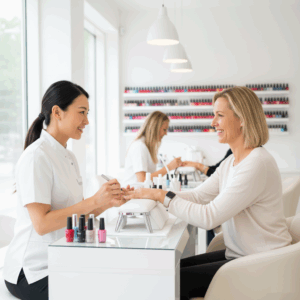
The nail industry in Germany has grown rapidly in recent years. It is not difficult to see nail salons springing up everywhere: as of now, there are approximately 65,000 nail salons across the country, offering services ranging from basic manicures to complex nail art. This is a highly profitable industry: by 2025, total revenue in the German nail industry is forecasted to reach 427 million euros.
However, not all nail salons meet quality standards. Poor hygiene or inadequately trained nail technicians can lead to serious issues such as infections, allergic reactions, or nail damage. Therefore, understanding the criteria for a quality nail salon is crucial both for customers and for salon owners who want to build a reputable brand.
1. Hygiene is the Most Important Factor
According to Simone Winkelhog, spokesperson for the city of Cologne, hygiene is always the top priority in nail salons. During nail treatments, procedures such as filing or grinding nails can create small scratches on the skin, providing conditions for bacteria and viruses to spread.
A professional nail salon always follows these hygiene rules:
- Disposable tools (such as files or machine heads) must be discarded after each client.
- Reusable tools (such as cuticle nippers) must be properly sterilized.
- Clients must wash and sanitize their hands before starting treatments.
- Work surfaces must be cleaned and disinfected before each client.
- Nail technicians must wear gloves during procedures; masks are used to protect against fine dust.
- Floors and restrooms are cleaned daily.
- No food or animals should be near the working area.
2. Skill and Training of Nail Technicians
Previously, nail salon owners only needed basic training and to register their business (Gewerbeanmeldung) to operate. However, Germany is about to implement a new law, effective in 2025, that will directly affect all nail salons.
- Mandatory professional certification: From 2025, having skill alone will no longer be sufficient. Salon owners must hold a ‘Fachkraft Nageldesign’ or ‘Kosmetik’ certificate to legally operate.
- Strict labor and tax checks: Employees must carry identification and be fully registered to comply with labor laws and avoid fines that can reach thousands of euros.
3. Quality of Products Used
The upcoming law requires strict chemical management.
- All products such as gels or top coats must have a clear source and comply with EU standards. Using unregulated or imported products can lead to serious problems. Gel, nail polish, and adhesives must have clear labeling and safe formulas.
- Avoid using low-quality products purchased from online marketplaces without proper quality verification.
- If customers are unsure, they can ask nail technicians about the source and certification of products.
According to Angela Baldwin-Scherer, a nail training instructor, controlling product quality is essential to prevent allergic reactions or nail damage and to build salon credibility.
4. Hygiene Inspection and Monitoring
In Germany, nail salons must comply with the Infection Protection Act (Infektionsschutzgesetz) and state hygiene regulations. However, inspections typically occur only when complaints are made.
For example, in Cologne, with 300 nail salons, only two inspections were conducted in 2024, both in response to complaints. Similarly, in Frankfurt, inspections are random or complaint-based. If violations are found, follow-up inspections and corrective actions are required.
This highlights that salon owners need to proactively maintain hygiene, rather than relying solely on state inspections, to build customer trust.
5. How to Enhance Reputation through Digital Marketing
5.1 Professional Website
A website is the most important platform for enhancing the credibility of a nail or spa salon. A well-designed website should provide complete information about the salon’s certifications and showcase real images of the facility. A transparent list of services and prices helps clients feel secure when deciding to use the service.
Additionally, the website should include online booking functionality and before-and-after images to allow clients to visualize the quality of services before visiting the salon. SEO optimization is crucial so that when customers search on Google, the salon’s website appears first locally, increasing the likelihood of attracting new clients.
5.2 Social Media
Social media is an important channel for reaching customers, building credibility, and maintaining engagement.
- Facebook and Instagram allow salons to post real photos, videos of nail or skincare processes, and satisfied customer images.
- TikTok is ideal for sharing beauty tips, nail trends, and short, engaging videos, giving the salon a dynamic and modern image.
- Frequent interactions with clients via comments and messages are a simple yet effective way for customers to feel cared for and perceive professionalism, increasing trust and loyalty.
5.3 Customer Reviews and Feedback
Customer reviews are a powerful tool to build credibility. Encouraging clients to leave reviews on Google, Facebook, or other platforms reassures new customers about service quality. Responding quickly and professionally to negative reviews shows that the salon listens and addresses concerns, further enhancing trust and goodwill. Positive reviews also help the salon stand out locally and attract new clients.
5.4 Loyalty Programs
Customer loyalty programs foster long-term engagement. Salons can implement point systems, discounts, or special promotions for returning clients. When customers feel valued, they are more likely to return frequently and recommend the salon to friends and family. This is an effective way to retain existing clients and build a loyal customer community.
5.5 Transparent and Professional Content
Posting about certifications, nail procedures, hygiene practices, and products used demonstrates transparency and reliability. German clients particularly value these factors, as they emphasize safety, cleanliness, and professionalism. Transparent content not only boosts credibility but also reassures clients, making them feel confident in using the service and encouraging repeat visits.
6. The Role of Digital Marketing and SPS Marketing
To stand out among thousands of competitors, it is not enough to provide excellent on-site service. Websites and social media play a key role in:
- Introducing the salon and brand story.
- Displaying images and videos of services to help clients visualize quality.
- Allowing easy online booking with just a few clicks.
- Running promotional campaigns on Facebook, Instagram, and TikTok to attract new clients.
SPS Marketing supports salons by:
- Building a fully informative website, including services, pricing, real images, and hygiene policies.
- Managing social media: posting content, videos, and maintaining customer interaction.
- Running advertising campaigns targeting the right audience (e.g., clients living nearby, aged 20–40, interested in beauty).
- Increasing brand awareness, retaining loyal clients, and attracting new customers.
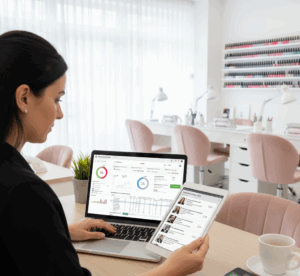
With this support, even salon owners with limited technical knowledge can effectively operate online channels, increase consistent customer flow, and build long-term credibility.
Conclusion
A quality nail salon in Germany must ensure proper hygiene, skilled technicians, safe products, and professional customer service.
However, to stand out in a competitive market, salon owners should also focus on:
- A professional website for easy booking and service information.
- Effective social media activity to showcase new nail designs, promotions, and engage with clients.
- Well-executed digital marketing campaigns to attract new clients and retain existing ones.
👉 SPS Marketing helps Nail and Spa salons implement all of these: from website development, social media management, advertising campaigns, to optimizing the online customer experience. Combined with high-quality on-site service, salons can increase revenue, develop their brand, and build long-term customer loyalty.